Stay Connected Anywhere With The Best International eSIM For Travel
Tired of fumbling with tiny physical SIM cards every time you cross a border or facing sky-high roaming charges? An international eSIM solves this by embedding a programmable chip directly into your phone, letting you download a data plan from a global provider with just a scan. It works seamlessly alongside your primary number, so you can activate local or regional coverage in over 190 countries without ever swapping a card. This gives you the freedom to connect instantly upon arrival, avoiding expensive surprises and keeping your travel smooth from the start.
Why Travelers Are Ditching Physical SIM Cards
Travelers are ditching physical SIM cards for international eSIMs because it eliminates the need to hunt down a local vendor after a long flight. You simply scan a QR code or download a profile before you leave, and you’re connected the second you land. No more fumbling with tiny trays or risking losing your primary SIM. eSIMs also let you keep your home number active for two-factor authentication while using a separate data plan. There’s no awkwardness of explaining to a shopkeeper that your phone is incompatible with their network. Switching between plans is done in settings, not by swapping plastic cards. It’s faster, cleaner, and removes a classic travel hassle.
The Shift to Embedded Connectivity Abroad
The shift to embedded connectivity abroad means your next trip might not involve swapping a tiny SIM card at all. Instead of hunting for local vendors upon arrival, you simply activate an international eSIM before you leave home. This built-in always-on connectivity keeps your phone number active for calls and texts while adding a separate travel data plan. You land with immediate service for maps, ride-sharing, and messaging, removing the stress of finding a shop. No more fumbling with paperclips to eject a tray or worrying about losing your original card in a foreign country.
Cost Savings vs. Traditional Roaming
Traditional roaming charges can inflate a single business trip by hundreds of dollars, but international eSIMs eliminate those predatory daily fees entirely. Instead of paying $10–$15 per day for a carrier plan, travelers access local network rates for as little as $5–$10 for an entire week of data. This stark price difference applies to calls and texts, too, since eSIM packages bundle services at a fraction of a roaming add-on’s cost. The savings become immediately tangible, not theoretical, the moment you land and connect without activating a costly roaming pass.
International eSIMs decimate traditional roaming costs by replacing daily carrier charges with flat, local-rate bundles for data, calls, and texts—saving frequent travelers hundreds per trip without sacrificing connectivity.
Immediate Activation Without Local Visits
The core advantage of immediate activation lies in eliminating the logistical burden of local store visits. Upon landing, a traveler typically needs to find a kiosk, present identification, and wait for a physical SIM provisioning process. An international eSIM bypasses these steps entirely by allowing a user to purchase and install a data profile before departure. This enables instant connectivity upon arrival, as the eSIM activates automatically when the device connects to a local tower. This shift removes the dependency on retail hours and airport queues, converting idle wait time into productive travel from the moment the plane lands. The result is a direct, frictionless transition from flight to active service.
How Cross-Border Data Plans Actually Work
An international eSIM activates a virtual profile on your device, linking it to a home network in a specific country. When you cross a border, the eSIM automatically roams onto a local partner network in your destination. Data is routed back through the home network, which applies the plan’s rate—typically a flat fee for a set data allowance valid in multiple regions. How does data stay continuous across borders? The eSIM’s logic prioritizes seamless handover: as you enter a new country, it disconnects from the previous partner and attaches to a new local cell tower, often without interrupting active sessions. Your device simply shows a new carrier name, while the eSIM manages the backend switch, using a single pricing tier for all included zones.
eSIM Profiles and Remote Provisioning
An international eSIM works by storing multiple eSIM profiles on a single embedded chip, each profile being a distinct operator subscription. Remote provisioning enables you to download and activate a new profile over-the-air before travel, without swapping physical SIMs. During a trip, your device holds a home profile and a local data profile simultaneously; you manually select which profile is active for data. This avoids high roaming fees by switching to a locally-provisioned plan. Is an eSIM profile locked to a specific device? Yes, once downloaded and activated, that eSIM profile is tied to your phone’s unique eUICC identifier and cannot be transferred to another device.
Carrier Partnerships Behind the Scenes
Behind every international eSIM’s connectivity lies a web of bilateral agreements. Your eSIM provider acts as a wholesale buyer, negotiating direct bulk access to local operators’ core networks. This bypasses standard roaming markups. The sequence is:
- The eSIM provider signs a contract with a host carrier in the target country.
- Your device authenticates via the provider’s home network profile.
- Traffic is dynamically routed through that local carrier’s routing gateway.
Crucially, the provider manages multiple parallel partnerships to maintain seamless failover; if one carrier’s signal weakens, the eSIM automatically switches to an alternate partner link without user intervention.
Compatibility with Unlocked Devices
For an international eSIM to function, your device must be carrier-unlocked for eSIM activation. A locked phone restricts the eSIM profile from downloading, as the embedded chip requires permission from the original carrier. Most modern flagship devices support eSIM, but compatibility hinges on the phone’s firmware accepting remote provisioning. Some factory-unlocked models still lack eSIM hardware in certain regions, so verifying your IMEI against a provider’s whitelist is the only sure step before purchasing a plan.
Selecting a Plan for Multi-Country Trips
When selecting a plan for multi-country trips with an international eSIM, prioritize coverage breadth over single-country data volume. Look for regional plans that pool data across your entire itinerary, as this avoids the hassle of switching profiles at each border. Key question: Does the plan’s coverage map actually list every country you will visit, and does it offer the same network speed in each? Compare per-gigabyte cost across regions; a global plan might be cheaper than stacking multiple local eSIMs for a long trip. Also, ensure the plan allows easy top-ups while abroad, so you can extend data without re-installing a new eSIM mid-journey.
Regional vs. Global Coverage Options
When selecting an eSIM for multi-country trips, you must choose between regional and global coverage. Regional plans bundle multiple neighboring countries, like “Europe” or “Asia Pacific,” offering better value if your itinerary stays within that zone. Global coverage provides connection across dozens of countries but often at a higher per-gigabyte cost. For focused travel through one region, a regional eSIM is the smarter, more affordable choice. However, if your trip crosses continents—like hopping from Japan to Egypt—global coverage eSIM plans eliminate the hassle of swapping providers mid-journey. Evaluate your route’s geographic spread to decide.
Data-Only Bundles vs. Voice and Text
For multi-country trips, choosing between data-only eSIM bundles and voice-and-text plans hinges on communication needs. A data-only bundle works best if you rely on VoIP apps like WhatsApp or Skype for calls and messaging, offering lower costs and wider regional coverage. Conversely, a voice-and-text plan is essential for traditional phone calls or SMS to local numbers, such as booking hotels or contacting emergency services, where app-based methods may fail. Evaluate whether your trip requires direct dialing—if not, data-only is more economical and simpler to manage across borders.
| Aspect | Data-Only eSIM | Voice & Text Plan |
|---|---|---|
| Primary Use | VoIP calls, app messaging | Direct calls, SMS to local numbers |
| Cost per Country | Usually lower | Often higher due to voice minutes |
| Reliability | Dependent on internet | Works without data connection |
| Best For | Travelers using messaging apps only | Those needing offline contact to services |
Duration and Top-Up Flexibility
For multi-country trips, duration and top-up flexibility directly affect cost efficiency. Travelers should assess whether a plan offers fixed-term data (e.g., 30 days) or rollover options for overlapping itineraries. The ability to top-up instantly avoids buying a new plan when you extend a stay. Look for providers allowing partial top-ups rather than full renewals, which wastes unused days.
- Choose plans with adjustable validity periods per country or region.
- Ensure top-ups can be applied mid-cycle without resetting the remaining data.
- Verify top-ups are processed immediately via app or portal.
- Opt for plans where unused top-up data extends the expiration date instead of discarding it.
Top Providers Offering Borderless Roaming
For seamless international travel, Airalo, Holafly, and Nomad eSIM stand out as top providers offering borderless roaming. Airalo’s “Discover” global plan lets you buy data packages covering 200+ countries, with top-ups handled in-app. Holafly focuses on unlimited data eSIMs for specific regions, removing daily caps on trips across Europe or Asia. Nomad combines competitive per-gig prices with multi-country “region” eSIMs that auto-switch carriers as you cross borders. All three bypass physical SIM swaps and let you install a local profile before departure.
The key insight: Airalo is best for budget-conscious travelers needing small data top-ups, while Holafly suits heavy streamers who prefer unlimited plans without speed throttles.
Just check your phone’s eSIM compatibility and activate the plan after landing for instant connectivity.
Airalo, Holafly, and Nomad Compared
When comparing Airalo, Holafly, and Nomad for international eSIM use, Airalo offers the most granular per-country and regional plans with flexible data-only packages starting at low prices. Holafly distinguishes itself by providing unlimited data on most country-specific plans, though it typically lacks voice options. Nomad excels in competitive pricing for larger regional bundles and often includes a free local number. All three provide app-based activation and top-up features.
- Airalo: Best for budget travelers needing small, location-specific data packages.
- Holafly: Ideal for data-heavy users who want unlimited access on a single destination.
- Nomad: Suited for multi-country trips with affordable regional pass bundles.
Carrier-Based Solutions from Major Networks
Major mobile networks now embed international eSIM directly into their own global plans, bypassing the need for third-party apps. With direct carrier roaming profiles, you activate a data package from your home operator before traveling, keeping your primary number active for calls and SMS. These solutions often prioritize seamless network switching over cost optimization. Options vary by provider, with some offering flat daily rates and others targeting regional bundles.
- AT&T’s International Day Pass applies your domestic plan abroad for a set daily fee.
- Verizon’s TravelPass offers similar functionality with automatic activation upon arrival.
- T-Mobile’s Magenta plan includes basic data roaming in many countries at no extra charge.
User Reviews and Reliability Metrics
When picking an international eSIM, user reviews and reliability metrics are your best friends. Real travelers often flag which providers drop signal in busy cities or fail to connect on arrival, so scan recent feedback for uptime complaints. A provider with 4.5 stars but hundreds of reviews usually beats one with perfect scores from only a dozen users. Remember, a single bad week of service can skew metrics temporarily, so check the date on those reviews.
- Look for consistent praise about stable speeds during peak hours.
- Watch for patterns in complaints about activation delays or missing data.
- Prioritize providers that display transparent uptime percentages.
- Beware of reviews that only mention “great for a trip” without specific locations.
Device Readiness and Setup Steps
Before purchasing an international eSIM, confirm device readiness by ensuring your phone is carrier-unlocked and supports eSIM profiles (check Settings > Cellular > Add Cellular Plan). For setup steps, install the eSIM provider’s app or scan the QR code delivered via email.
Avoid activating the eSIM until you arrive at your destination, as the timer often starts immediately.
On iPhone, label the line (e.g., “Travel Data”) and set it as default for cellular data. On Android, assign the eSIM for data and disable your primary physical SIM’s data roaming to prevent billing surprises. Restart the device after installation to force network registration.
Checking eSIM Support on Your Phone
Before purchasing an international eSIM, verify device compatibility by navigating to your phone’s settings. On an iPhone, check for “Add Cellular Plan” under Cellular; on Android, look for “SIM Manager” or “Mobile Network”. Not all phones sold as “unlocked” support eSIM, so cross-reference your model against your manufacturer’s official list. Ensuring eSIM support on your phone prevents wasted money on a plan you cannot activate. Some older flagships lack the required hardware, even if software suggests otherwise. If your device lacks a dedicated eSIM slot, you must use a physical SIM instead.
Scanning a QR Code or Using an App
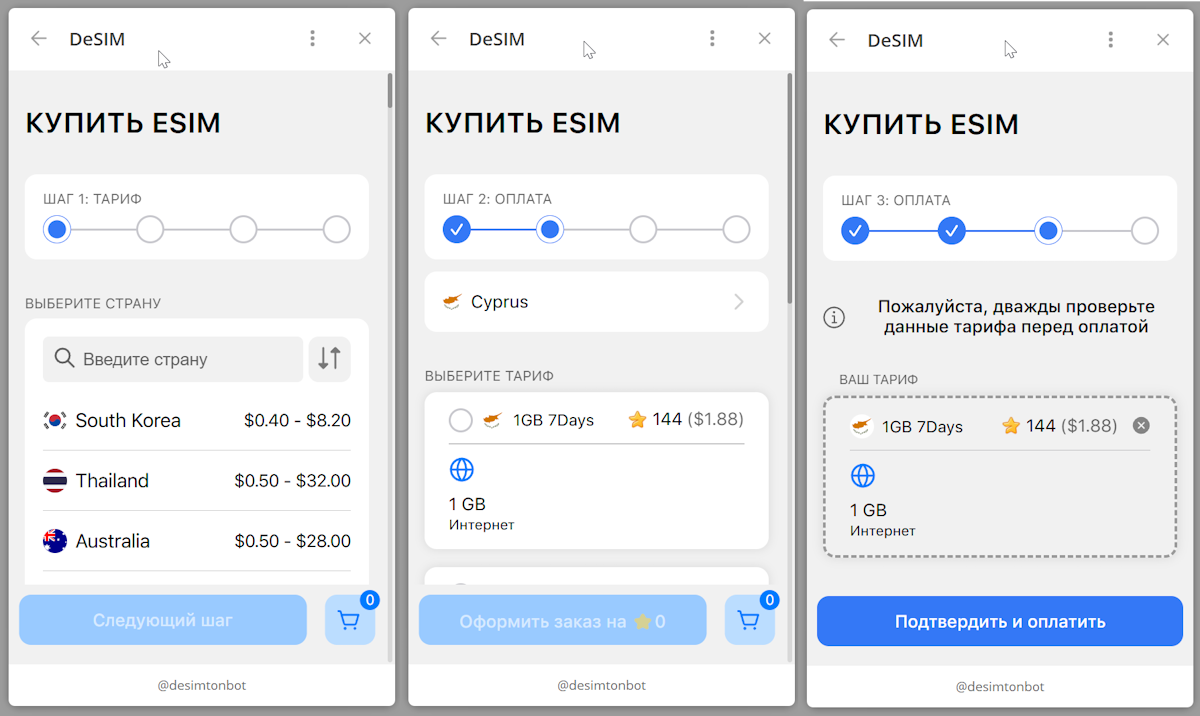
To get your international eSIM running, you’ll typically scan a QR code or use a provider’s app. With a QR code, just open your phone’s settings, tap “Add Cellular Plan” (or similar), and scan the code from your email or voucher. Using an app often automates this: download it, log in, and tap to install—no manual scanning needed. Both methods download the eSIM profile directly to your device, so scan the QR code carefully to avoid errors. Keep a screenshot of the code as a backup in case the install fails.
Scan QR codes from your email or use a provider’s app for a tap-to-install eSIM setup—both are simple, but always save a backup of the code.
Managing Multiple Profiles While Overseas

Traveling overseas demands smart profile management to avoid billing chaos. Before departure, label each eSIM clearly in your device settings—home line for iMessage and banking, travel eSIM for data. Disable cellular data switching to prevent accidental roaming charges on your primary number. For dual-SIM phones, set the travel Singapore eSIM eSIM as default for data while keeping the home line active for SMS verification codes. Delete unused profiles to streamline troubleshooting and reduce network conflicts abroad.
Professionally pre-label, disable data switching, and assign default lines to ensure seamless, cost-free connectivity across multiple profiles overseas.
Common Pitfalls When Roaming Globally
A primary pitfall with global eSIM roaming is assuming one plan covers every country, only to discover dead zones upon arrival. Users often overlook that some providers throttle data after a small high-speed cap, turning 4G into unusably slow 2G.
Always verify the network partners for each destination, or your eSIM may lack critical carrier support.
Another mistake is forgetting to keep the primary physical SIM active for two-factor authentication codes, which can lock you out of banking or travel apps. Finally, activating the eSIM from home can start the data timer prematurely, wasting days before you even board the flight. Plan activation to sync with your actual landing time.

Hidden Fees in Pay-As-You-Go Plans
Pay-as-you-go plans can lure travelers with low per-gig prices, only to bury hidden fee zones in the fine print. You might burn through prepaid data faster due to automatic top-ups with unfavorable exchange rates, while “free” incoming calls could trigger per-minute charges. Some providers apply a daily connection fee even on zero-usage days, eating your balance. Watch for service taxes added at checkout, not shown in the advertised rate. Always review the carrier’s exact deduction structure—what looks like a deal often isn’t.
Network Speed Throttling in High-Demand Areas
When roaming with an international eSIM, you’ll often hit data deprioritization in crowded zones. Local carriers throttle speeds during peak hours at airports, stadiums, or transit hubs, making even “unlimited” plans feel sluggish. Your eSIM shares the same tower as millions of locals, so congestion slashes your bandwidth first. *This slowdown occurs regardless of your purchased data cap, purely based on network congestion.* To mitigate this, switch to a local carrier’s app or toggle airplane mode to reconnect—sometimes a different tower offers breathing room.
Network speed throttling in high-demand areas turns your eSIM into a bottleneck when crowds outnumber available bandwidth, forcing pauses instead of seamless streaming.
Lost Connectivity During Country Transitions
A primary frustration with international eSIMs is lost connectivity during country transitions. This usually occurs when a device clings to the previous network’s signal as the border approaches, failing to trigger an immediate scan for the new country’s available networks. Manually disabling and re-enabling the cellular line can force a fresh network search, often resolving the dead zone faster than waiting for an automatic handoff. If the eSIM supports multiple regional profiles, ensure the correct one is active for the destination before crossing. Why does my eSIM lose signal right after crossing a border? The delay stems from your device prioritizing a stubborn, fading signal from the last network rather than proactively authenticating with available local towers in the new country; a quick airplane mode toggle usually resolves this.
Future Trends in Universal Data Access
Future trends in international eSIM point toward universal data access becoming as seamless as flipping a switch. You’ll soon purchase a single eSIM profile that dynamically selects the strongest local network across countries without manual carrier switching. This eliminates roaming delays entirely. Multi-network eSIMs will bundle 5G slices from over a hundred operators into one plan, giving you priority bandwidth at competitive rates. Apps will pre-cache essential data and automatically allocate your fastest connection for video calls versus background syncing. Ultimately, the eSIM transforms from a travel tool into a passport—your device constantly negotiating the best local rates and coverage, making the concept of “out of country” data obsolete.
eSIM-Only Smartphones Gaining Traction
The rise of eSIM-only smartphones is reshaping international travel, as these devices eliminate the physical SIM tray entirely, forcing users to adopt digital profiles. This design compels travelers to rely solely on remote provisioning, making instant activation of local data plans abroad the standard practice. Without a slot for a plastic card, switching between networks becomes seamless, as users can pre-download a regional eSIM profile before departure and toggle between carriers via software. This shift accelerates universal data access by removing the barrier of hunting for physical SIMs in foreign markets, turning a smartphone into a purely digital connectivity hub that adapts instantly to any global destination.
Integration with IoT and Wearable Travel Tech
International eSIMs are making travel smoother by merging directly with your gadgets. Your smartwatch can grab a local data plan before you land, keeping maps and messages live on your wrist without your phone. A connected luggage tag updates its location via the eSIM, so you track your bag in real-time. For a clear setup: universal wearable connectivity requires just an app scan. First, activate the eSIM on your phone. Then, share data with your smartwatch or tracker. Finally, set app permissions. This means notifications, navigation, and health syncing stay active globally, even if your phone is stowed away.
Regulatory Shifts Toward Open Access
Regulatory shifts toward open access for international eSIMs are making it easier for you to switch carriers without buying new hardware. Instead of being locked to a provider’s proprietary app, new rules let you scan any compatible QR code to instantly load a local data plan abroad. This means you can compare eSIM offers from different operators in real time, like checking prices before landing. One key term here is profile portability, which gives you the freedom to store multiple eSIMs on one device. The result? Less hassle, more competition, and cheaper roaming for everyone.
What Exactly Is a Global Connectivity Profile?
How a digital SIM replaces physical plastic cards abroad
The core difference between a local SIM and a travel eSIM profile
Why your phone needs an eSIM-compatible chip to use this service
How Does a Worldwide Data Plan Actually Activate?
Scanning a QR code vs. installing a profile manually
What happens when you switch between multiple country packs
The role of remote provisioning and over-the-air setup
Key Features That Make Cross-Border Roaming Easier