
The fascinating journey of gambling a historical perspective
The Origins 1xbet of Gambling
The history of gambling traces back thousands of years, with evidence suggesting that it existed in ancient civilizations. Archaeological findings from China reveal that around 2300 BC, rudimentary forms of gambling were present, often linked to various games of chance that involved betting. Similarly, the ancient Egyptians played games that incorporated elements of chance, underscoring how integral gambling has been to human culture throughout history. For a wide variety of options, check https://1x-bet.uk/, which showcases impressive offerings across different games.
In ancient Rome, gambling was widely accepted and deeply embedded in society. Romans placed bets on gladiatorial contests, chariot races, and other public spectacles, highlighting the communal nature of gambling. These practices not only entertained but also acted as a social glue, bringing people together in shared excitement and risk. This early acceptance paved the way for the evolution of gambling into more organized and sophisticated forms.
The middle ages saw gambling continue to flourish, particularly in Europe, where card games gained popularity. These card games would eventually evolve into the games we know today, such as poker and blackjack. The Church’s attitude towards gambling varied, with some periods of outright ban while at other times, it was tacitly accepted, demonstrating the complex relationship societies have had with gambling over the centuries.
The Evolution of Casino Culture
The modern casino as we know it began to take shape in the 17th century in Italy, specifically with the establishment of the first known gambling house, the Ridotto. This venue allowed patrons to enjoy various games of chance in a controlled environment, laying the groundwork for the future of casinos. As gambling became more regulated, the idea of a casino that offered a range of games under one roof started to gain traction across Europe.
The 19th century saw a surge in the popularity of casinos, particularly in cities like Monaco and Paris, where glamour and luxury defined the gaming experience. This period marked the transition from simple betting houses to opulent establishments that attracted the wealthy elite. The establishment of the Monte Carlo Casino in 1863 became a symbol of this era, showcasing the intricate relationship between wealth, society, and gambling.
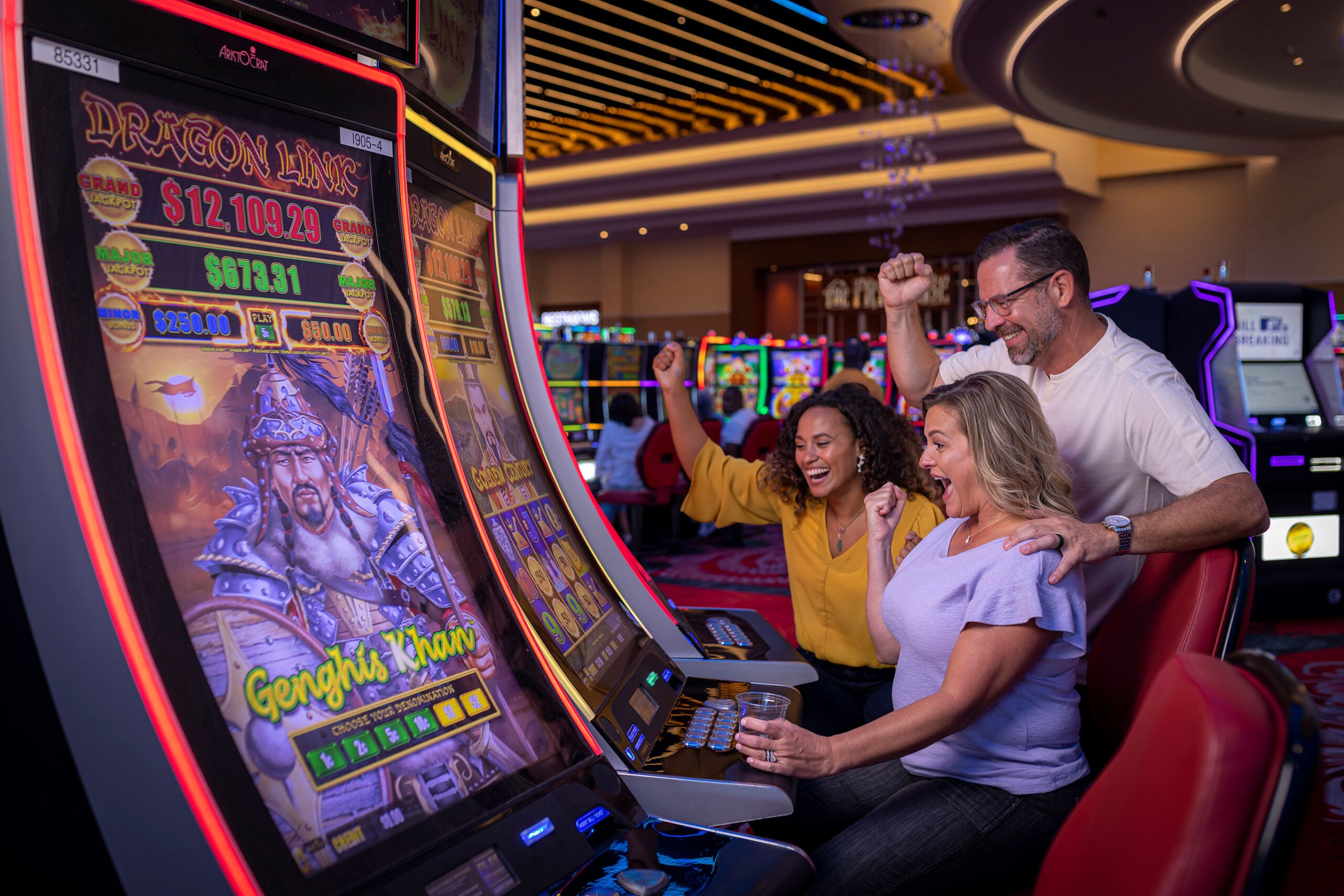
The United States also played a crucial role in the evolution of casinos. The introduction of gambling in places like Las Vegas during the mid-20th century transformed the landscape, turning it into a global gambling hub. With the combination of entertainment, fine dining, and luxury accommodations, Las Vegas casinos created a unique experience that continues to draw millions of visitors each year.
The Impact of Legislation on Gambling
As gambling evolved, so did the laws surrounding it. In many societies, gambling has been met with resistance, often viewed as morally questionable. In the United States, the prohibition era in the early 20th century led to an increase in illegal gambling, prompting a reevaluation of how gambling was regulated. The legalization of casinos in Nevada in 1931 marked a significant turning point, allowing for a regulated environment that ensured fairness and transparency.
Throughout the latter half of the 20th century, more states began to recognize the economic benefits of legalizing gambling. Lotteries, bingo halls, and Indian casinos emerged as viable revenue sources, leading to a widespread acceptance of gambling as a form of entertainment. This shift not only provided states with a new income stream but also contributed to the development of responsible gambling initiatives aimed at protecting consumers.
In recent years, the rise of online gambling has prompted further legislative scrutiny. The internet has revolutionized how people engage with gambling, making it more accessible than ever. Governments around the world are grappling with the challenge of regulating online platforms to ensure fairness and to combat issues such as underage gambling and fraud, highlighting the ongoing evolution of gambling in the digital age.
The Cultural Perception of Gambling
The societal views on gambling have always been multifaceted, oscillating between acceptance and condemnation. In some cultures, gambling is considered a form of recreation and is intertwined with local traditions. For instance, in certain Asian cultures, games like Mahjong and Pai Gow are not just pastimes but integral components of social gatherings and celebrations.
Conversely, other cultures view gambling with suspicion, associating it with vice and moral decay. This dichotomy can affect legislation, community norms, and even personal choices surrounding gambling. The challenge lies in balancing the enjoyment of gambling as entertainment with the risks of addiction and social consequences.
Modern media has also played a significant role in shaping perceptions. Films, television shows, and online content often romanticize gambling, depicting it as a glamorous and thrilling lifestyle. While this portrayal can enhance its allure, it can also distort the realities of gambling addiction, further complicating how society views this age-old pastime.
The Future of Gambling: Trends and Innovations
The gambling industry is currently undergoing significant transformation driven by technology. The advent of online casinos and mobile gaming has not only made gambling more accessible but has also led to innovative gaming experiences. Virtual reality (VR) and augmented reality (AR) are beginning to reshape the casino landscape, offering immersive experiences that were previously unimaginable.
Moreover, advancements in technology have facilitated the rise of cryptocurrencies as a payment method in online gambling. This shift has introduced new dynamics in how transactions are conducted, offering players greater anonymity and security. As regulations continue to evolve, the integration of blockchain technology may lead to more transparent and secure gambling environments.
Looking ahead, responsible gambling practices will likely become more prominent as the industry seeks to address issues of addiction and consumer protection. Initiatives aimed at promoting safer gambling environments and ensuring that players are informed about the risks associated with gambling will shape the future of this fascinating journey.

Your Gateway to Online Gambling at 1xbet
As the gambling landscape continues to evolve, platforms like 1xbet provide a comprehensive and user-friendly experience for players around the globe. Offering an extensive selection of over 13,000 casino games and 40+ sports for betting, 1xbet caters to both casual players and serious gamblers alike. Their commitment to user experience is evident in their seamless interface and diverse payment options.
1xbet stands out not only for its impressive game selection but also for the generous bonuses it offers, including a 200% first deposit match. This kind of incentive attracts new users and enhances the overall betting experience, allowing players to explore various options without significant initial investment. The platform’s rapid processing speeds further ensure that players enjoy a smooth and efficient gambling experience.
In summary, as the journey of gambling continues through history and into the future, 1xbet remains at the forefront, providing an engaging and exciting environment for all who wish to partake in the thrilling world of online betting and gaming.